Commercial Roofing Systems. Built for Performance.
Understanding your roofing system is essential to protecting your commercial property. Explore Thermoplastic Polyolefin (TPO) roofing, a widely used single-ply membrane option for commercial and low-slope roofs.
Discuss Your Roofing Project →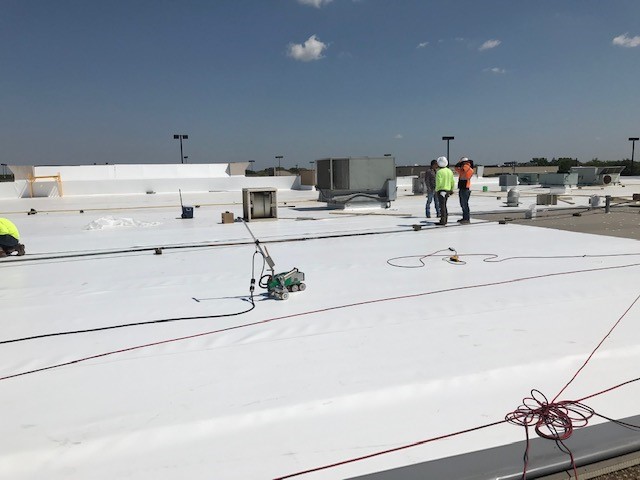
What Is Thermoplastic Polyolefin?
Thermoplastic Polyolefin, commonly called TPO, is a single-ply roofing membrane frequently used on commercial and low-slope roofing systems.
TPO membranes are typically manufactured with a reinforcing layer and can be joined using heat-welded seams. Properly designed and installed systems can provide weather protection and reliable performance.
Light-colored TPO membranes can also reflect a portion of incoming sunlight, helping reduce solar heat absorption at the roof surface.
System performance depends on factors including material selection, roof design, installation quality, drainage, and ongoing maintenance.
TPO Roofing at a Glance
- ✓ Single-ply thermoplastic membrane
- ✓ Commonly used on low-slope commercial roofs
- ✓ Heat-weldable seams
- ✓ Reflective membrane options
- ✓ Resistance to UV and ozone exposure
- ✓ Requires appropriate installation and maintenance
Commercial Roofing Up Close.
A closer look at TPO roofing systems and the details that matter when evaluating commercial roof performance.
TPO Roofing Systems
Single-ply membrane roofing is commonly selected for commercial low-slope applications.
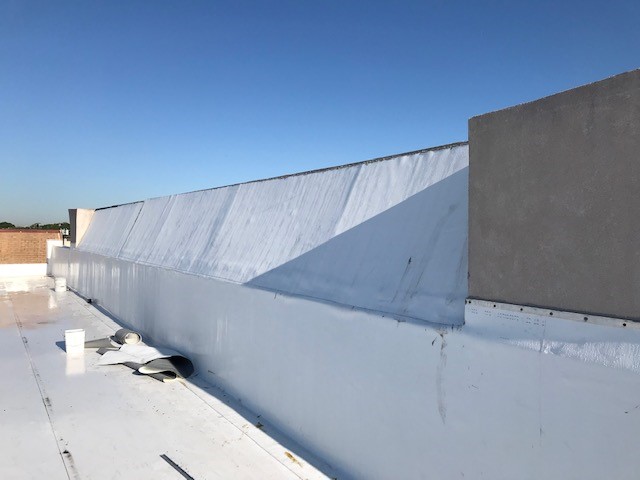
Installation Details
Seams, transitions, penetrations, and flashing details play an important role in roof performance.

Long-Term Protection
Appropriate system design, installation, and maintenance support ongoing property protection.
Why Consider TPO Roofing?
TPO offers several characteristics that can make it a suitable option for commercial roofing projects.
Reflective Roofing Options
Light-colored TPO membranes can reflect sunlight and reduce solar heat absorption. Actual energy benefits vary by building, insulation, climate, and roof design.
Heat-Welded Seams
TPO membrane seams can be heat-welded to create joined connections. Proper equipment, installation techniques, and quality checks are essential.
Weather & UV Resistance
TPO membranes are engineered for outdoor roofing exposure, including ultraviolet radiation and changing weather conditions. Performance varies by product and installation.
Commercial Applications
TPO can be considered for many low-slope commercial properties. Roof geometry, drainage, usage, and project requirements help determine suitability.
The Right System Starts With the Right Evaluation.
These are important considerations when planning a TPO roofing project, rather than a representation of a fixed AMSI installation procedure.
Roof Evaluation
Review existing roof conditions, building requirements, drainage, and other factors that may affect system selection.
System Planning
Consider membrane selection, insulation, attachment methods, flashing details, and applicable building requirements.
Installation & Care
Proper installation, attention to seams and penetrations, and ongoing inspections are important to roof performance.
Considering a TPO Roof? Let’s Discuss Your Property.
Whether you’re planning a new commercial roofing project, considering replacement, or evaluating an existing system, AMSI can help you discuss roofing conditions and potential next steps.